
October 21, 2026
Clark County, WA Building Permit Requirements: What to Coordinate First
Most permit problems start before anyone fills out a form. The wrong office, a missing site plan or a trade permit nobody planned for can each add a round of back-and-forth. This guide covers the Clark County building permit requirements we check first on a residential project, and the order we check them in.
This is about Clark County, Washington. Clark County, Nevada and other Clark Counties have their own rules.
Step 1: Confirm who reviews your property
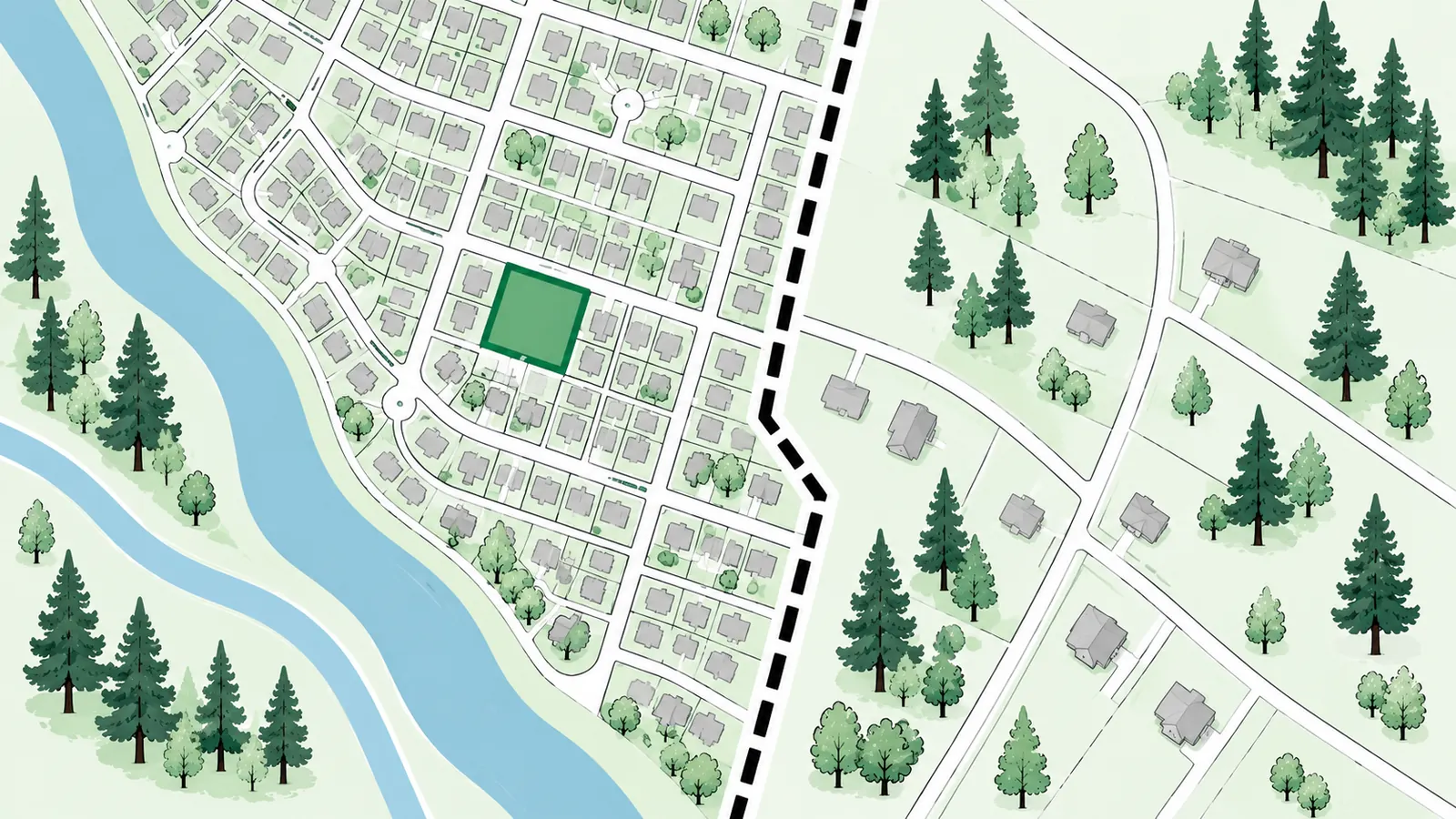
The parcel decides the reviewing office, not the mailing address. The City of Vancouver says it plainly: not every "Vancouver, WA" address is inside Vancouver city limits.
Start with Clark County's Property Information Center. Search by street address or tax account (parcel) number. Under Administrative Data, the Jurisdiction field shows who reviews the property.
- Clark County listed: the county's Community Development department (the Clark County building dept) reviews your permit. See our Clark County guide.
- Vancouver listed: the City of Vancouver reviews it. See our Vancouver guide.
- Another city listed: that city reviews it. Our jurisdictions page lists each one.
The same Property Information Center record also shows zoning, environmental conditions and septic or well details. That's where we look next.
Step 2: Check whether your project needs a permit
Clark County lists these as projects that need a residential permit:
- A new single-family home, duplex or accessory dwelling unit
- Additions, alterations and remodels to existing structures
- Adding a garage, carport or deck/patio cover
- Adding or removing walls
- Converting a basement, attic or garage into living space
- Changing the footprint of an existing structure in any way
- Adding a second story
- Sheathing repair or replacement
- Adding or replacing a driveway or RV pad
The county also lists work that does not need a residential permit, as long as it still meets building code and local rules like setbacks and heights:
- Fences 7 feet tall or less
- Some small decks: the county's exempt list starts at 30 inches or less above grade (not serving a hot tub or pool), and its small-projects guidance adds limits on size, attachment to the house and exit doors. Confirm your deck against the county's residential permits page before you build
- Sheds 200 square feet or less, meeting setbacks and easements
- Painting, carpeting, cabinets, countertops and similar finish work
- Patios and concrete slabs on grade, not built on easements
Inside Vancouver city limits, the thresholds are different. The city exempts sheds of 120 square feet or less, decks 18 inches or less above grade and fences 6 feet or less, if they are outside an environmentally sensitive area. Decks have their own guide: Deck permits in Clark County.
Step 3: Identify the permit type
The county files residential work under named permit types. The ones we see most:
- NHC (New Home Construction): single-family homes, duplexes and attached townhomes on their own parcel.
- ADS (Additional Dwelling or Structure): additions, remodels, ADUs, garage conversions, decks, garages, shops, carports and patio covers.
- ARS (Alteration/Repair/Specialty): minor repairs and alterations with no plumbing or mechanical work, such as removing a non-load-bearing wall.
- FRT (Fence/Retaining Wall): fences over 7 feet and retaining walls over 4 feet or carrying a surcharge.
- RSW (Re-Roofing/Re-Siding/Windows): re-roofing, re-siding and like-for-like window replacement.
For additions and new construction, the county includes plumbing, heating and cooling, water/sewer connection and road approach permits in the ADS or NHC permit. Lawn sprinklers and woodstoves need separate permits.
Step 4: Plan for the permits the county doesn't issue
Clark County does not issue electrical permits. Those come from Washington State Labor & Industries (L&I). If your project involves electrical work, a connection to public water or sewer, or a connection to an existing septic system, the county notes you'll need permits and approvals from other agencies too.
We flag these early, because they're often what holds a project up later.
Step 5: Assemble the package to the county's checklist
The county reviews plans electronically and no longer accepts paper submittals. Its application guidelines set the order:
- Create an account or sign in to CC LMS (permits.clark.wa.gov).
- Create a new permit.
- Pay the initial submittal fees.
- Submit the permit for processing.
- Email [email protected] to book a virtual submittal appointment (held on Microsoft Teams).
- Upload your documents and plans into ProjectDox when the county emails you the link.
Appointments are 30 minutes. If the upload isn't complete enough to be accepted, you can use the rest of the time to learn what's missing, but you'll need to book another submittal appointment. The county also notes that a fee may be added for each missed submittal appointment.
The county's residential forms and checklists page has the submittal checklists, plot plan checklist and project handouts. The county notes that the 2021 Washington state building codes became effective on March 14, 2024. Before any of this, we suggest reading before you apply for a building permit and our Clark County permit process overview.
A brief note on fees
Fees depend on the project. CC LMS has an Estimate Fees tool for permit types including New Home Construction, Accessory Structure and Additional Dwelling Space. The county notes the result is an estimate only and fees are subject to change. The county's forms page also notes that school impact fees increase effective November 12, 2026. For how jurisdiction fees and our fee fit together, see building permit costs in Clark County.
How PermitNorth coordinates this for you
We confirm the reviewing office for your parcel, identify the permit type, build the package to the county's checklist, submit it and track review. When correction comments come back, we route them to the right people and resubmit. More on that in how we handle correction comments.
Each project starts with a written scope and a fixed quote, with correction responses handled within that scope. Jurisdiction fees are separate and paid to the county. The county makes the permit decision. Our job is to keep the process organized and tell you what comes next. See our services for the full list of deliverables.
Have plans already? Send them with your request.
We reply to quote requests within 1 to 2 business days.
FAQ
When is a residential permit required in Clark County? The county requires one for new homes, duplexes and ADUs, additions and remodels, adding a garage, carport or deck/patio cover, adding or removing walls, converting a basement, attic or garage to living space, changing a structure's footprint, adding a second story, sheathing repair or replacement, and adding or replacing a driveway or RV pad.
When is a residential permit not required? The county exempts fences 7 feet or less, some low, small decks (the county lists conditions on height, size, attachment and exit doors, so check its residential permits page first), sheds 200 square feet or less, finish work like painting, cabinets and countertops, and slabs on grade. Exempt work must still meet building code and setbacks.
Who issues the electrical permit? Not Clark County. Electrical permits come from Washington State Labor & Industries. The county lists L&I's electrical permits page and 360.896.2300.
Can I apply for a Clark County permit online? Yes. The county says you can register, apply for, in most cases pay, and track permits online through CC LMS. It no longer accepts paper submittals.
Where is the Clark County building permit checklist? On the county's Residential forms and checklists page, which links the submittal checklists, the plot plan checklist and handouts by project type.
Last reviewed: October 21, 2026. Requirements change, so confirm with your reviewing office before you apply.
Sources
- Clark County Property Information Center: https://gis.clark.wa.gov/gishome/property/
- City of Vancouver, Property Information Lookup: https://www.cityofvancouver.us/government/community-development/property-information-lookup/
- Clark County, Residential permits: https://clark.wa.gov/community-development/residential-permits
- Clark County, Permit Center: https://clark.wa.gov/community-development/permit-center
- Clark County, Building permit application guidelines: https://clark.wa.gov/community-development/building-permit-application-guidelines
- Clark County, Residential forms and checklists: https://clark.wa.gov/community-development/residential-forms-and-checklists
- Clark County, CC LMS training (fee estimates): https://clark.wa.gov/community-development/cc-lms-training
- City of Vancouver, Fences, Decks, and Sheds: https://www.cityofvancouver.us/business/building-construction/residential-building-permits/fences-decks-sheds-and-general-residential-building-permit-information/
- Washington L&I, Electrical permits: https://lni.wa.gov/licensing-permits/electrical/electrical-permits-fees-and-inspections/